
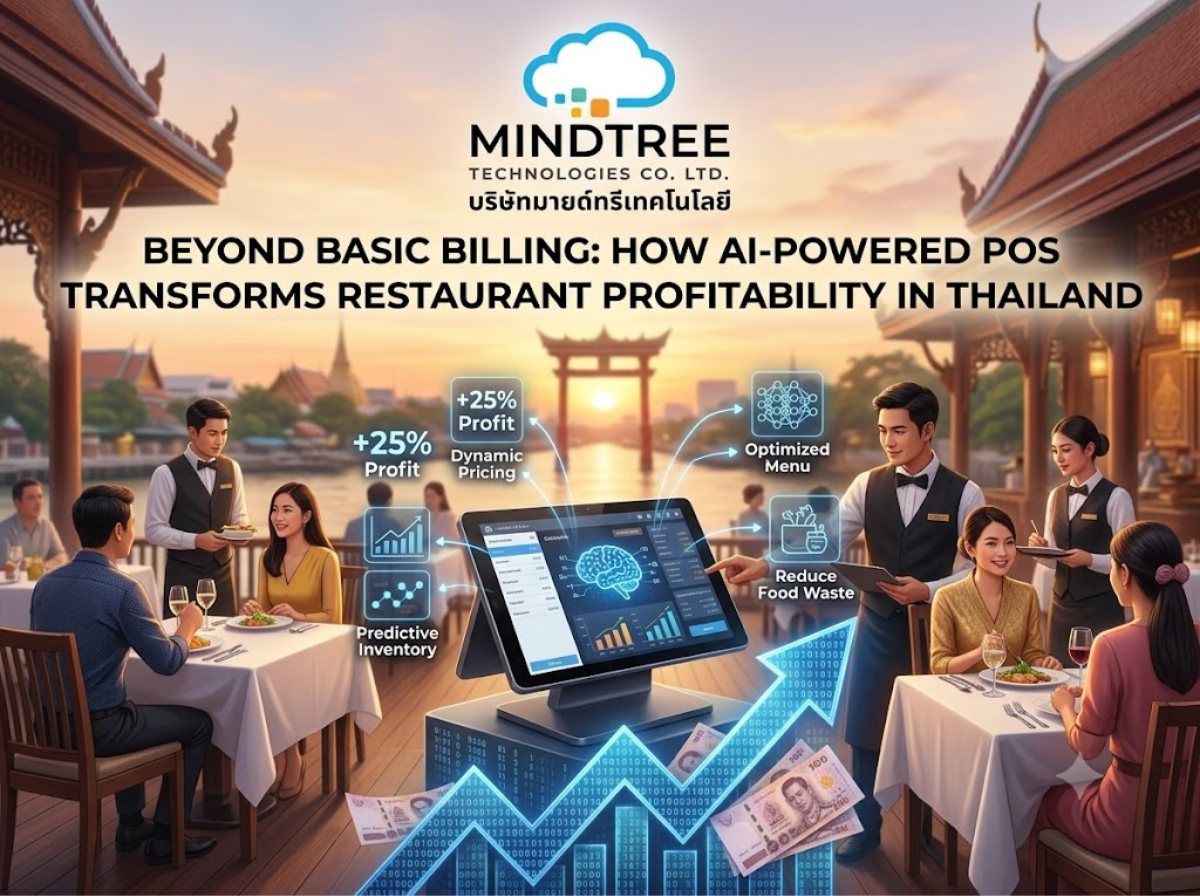
Standard billing systems print receipts and process credit cards, but they do little to improve your bottom line. An AI-powered POS system changes this by turning daily transaction data into actionable business intelligence. For restaurant owners operating in Thailand, rising ingredient costs and fluctuating tourist traffic make profit margins thin. Smart POS technology directly addresses these challenges. It forecasts stock needs, automates menu recommendations, optimizes staff schedules, and cuts kitchen waste. Instead of just tracking expenses, an AI system actively finds ways to make your business more profitable. By adopting a modern POS system for restaurant Thailand, operators can protect their margins and run leaner, smarter dining rooms across the country.
Predictive Inventory Tracking to Slash Food Waste
Food waste eats away at profit margins faster than almost any other restaurant expense. Traditional inventory tracking relies on manual counts and historical guesses, which often leads to over-ordering fresh produce or running out of core menu items during busy weekends. An AI POS system analyzes historical sales patterns, weather forecasts, upcoming local holidays, and current stock levels to predict exact ingredient needs.
By connecting your sales terminal to your stockroom, the system automatically alerts managers when to reorder and suggests precise purchase quantities. For example, if a restaurant in Bangkok typically sells more seafood soups during rainy afternoons, the AI flags this pattern weeks ahead. This precision prevents ingredients from spoiling in cold storage before staff can use them. Over time, cutting raw material waste by even five to ten percent adds thousands of Baht back into your monthly operating profit.
Dynamic Pricing Strategies for High and Low Seasons
Thailand has a unique hospitality climate with distinct high tourist seasons and quieter monsoon months. Running fixed menu prices year-round can cause you to miss out on profit during peak times or push away cost-conscious local guests during slow months. AI-enabled POS systems analyze real-time demand, local foot traffic, and competitor trends to suggest dynamic menu adjustments.
During peak evening hours or popular festival periods, the system can automatically highlight high-margin dishes on digital boards and ordering tables. During quiet afternoon lull periods, it can recommend targeted happy hour specials or discounted meal sets to bring in guests who might otherwise walk past. These automated recommendations help you maximize yield on every seat in the dining room without forcing managers to adjust prices manually every week. As a result, your revenue stays steady regardless of seasonal shifts.
Smarter Staff Scheduling Based on Guest Demand
Labor costs represent another major expense for Thai restaurant owners. Overstaffing during slow hours hurts profits, while understaffing during an unexpected rush leads to slow service, cold food, and negative reviews online. Traditional shift scheduling often relies on simple fixed rotas that fail to capture real traffic swings.
An intelligent point of sale tracks detailed hourly sales records and cross-references them with factors like local events and weather patterns. The software creates realistic staffing forecasts, helping managers schedule the exact number of kitchen workers, floor servers, and bartenders needed for every shift. This eliminates unnecessary overtime payments while keeping service fast and friendly during rush hours. When your staff levels match actual customer demand, your labor costs remain balanced and your service quality stays consistently high. Managers spend less time adjusting shift rosters by hand, giving them more time to focus on customer care on the restaurant floor.
Integrating AI QR Menus for Higher Average Checks
Self-ordering technology has become standard across Asian markets, but basic QR code menus simply show a static PDF file. Combining an AI QR menu restaurant thailand setup with your main POS unlocks automated upselling at the table. When guests scan the menu code with their smartphones, the intelligent software recommends tailored add-ons based on what they put in their cart.
For instance, if a guest orders a spicy curry, the system can prompt them to add a cooling drink or a side order of roti. It can also suggest popular desserts right after the main course is served. Because these suggestions feel natural and timely, guests accept them more often than verbal suggestions from busy waiters. This automatic cross-selling consistently boosts the average order value across every table, driving higher revenue per customer without increasing labor costs.
Tailored Upselling and Customer Retention
Repeat customers generate the most reliable revenue for any restaurant, yet standard POS setups store customer data without using it effectively. Modern AI software connects table transactions directly to customer profiles, tracking purchase history, dietary preferences, and visit frequency.
When a returning guest makes a reservation or orders at the counter, the system alerts your floor team about their favorite dishes or preferred tables. Beyond in-person dining, the system uses past buying habits to send personalized promotional offers via SMS or LINE messaging during off-peak times. If a guest regularly orders lunch delivery on Fridays but misses two weeks in a row, the platform can send a discount voucher to encourage a new order. These smart, automated retention tactics build genuine brand loyalty and keep your tables filled with returning diners.
Custom AI Features Built for the Thai Market
Off-the-shelf software programs built in Western markets often fail to address the specific needs of Thai hospitality businesses. Thai restaurants deal with unique payment ecosystems like PromptPay QR transfers, multi-lingual staff requirements, and complex bill-splitting habits among group diners. Choosing a provider that offers custom software development ensures your system fits your exact daily workflow.
Customized AI modules can connect directly with local delivery services like GrabFood, Lineman, and Foodpanda to consolidate incoming orders onto a single screen. The system can also auto-translate kitchen tickets between English, Thai, and Burmese to ensure staff members communicate clearly during rush periods. By tailoring these tools to your operational realities, you eliminate technical friction, speed up kitchen operations, and avoid costly mistakes caused by language barriers or manual double-entry. This tailored approach allows independent restaurants and local chains to scale quickly.
Streamlining Kitchen Operations to Increase Table Turnover
Table turnover directly affects how much money your dining room can make each evening. Slow order firing, delayed bill printing, and miscommunicated orders create bottlenecks that leave waiting guests standing at the door. Upgrading to a modern POS system with intelligent routing speeds up the entire dining lifecycle from start to finish.
The AI system analyzes real-time prep times across various kitchen stations and routes orders intelligently. Items that take longer to cook are sent to the station immediately, while quick items are paced so everything finishes together hot and fresh. At the end of the meal, instant digital bill generation and swift payment processing clear the table faster for the next group of diners. Shaving five to ten minutes off each table turn lets you serve more guest seatings during peak dinner hours, directly expanding your daily revenue capacity.